
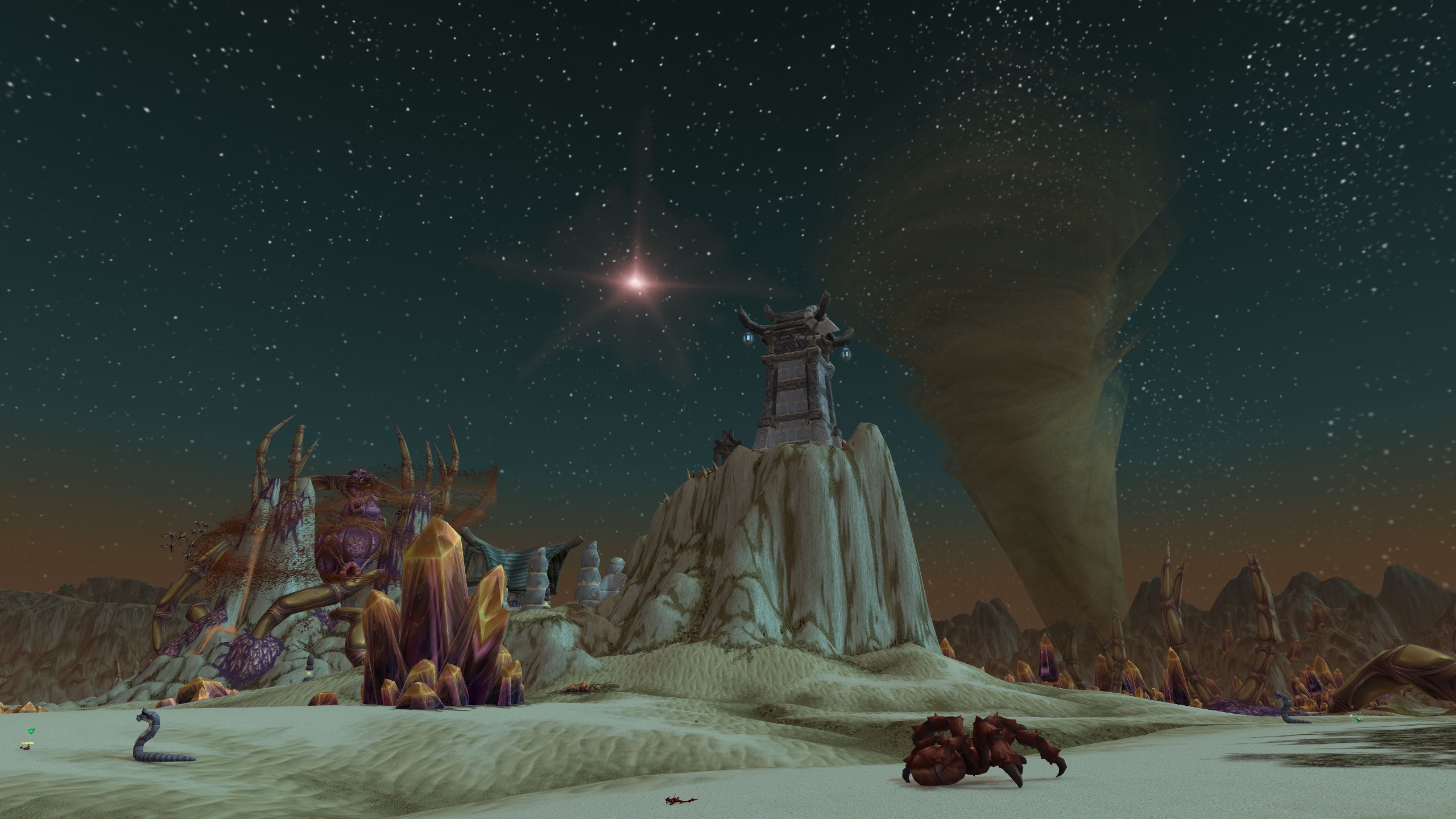






In WoW, exploring Azeroth’s desolate wastelands like Desolace, Silithus, Badlands, Tanaris, and Winterspring, you’ll need to master the art of survival. It’s essential to understand the terrain and exploit enemy weaknesses. In Desolace’s twisted landscapes, use terrain to your advantage. Silithus requires grouping for strength and strategy. Badlands’ unique pets demand adaptability, while Tanaris’ vast deserts necessitate patience and tactical approaches against mechanical threats. In Winterspring’s frost, gear up for cold resistance. Each zone’s peculiar challenges require resilience and strategic planning. By honing your skills here, you’re preparing for even greater adventures ahead.
Key Takeaways
- Desolace is recognized for its desolate landscape, haunted by battle remnants and twisted vegetation.
- Silithus presents a timeless, forsaken desert, demanding mastery over its terrain and inhabitants.
- The Badlands offer a barely civilized, harsh territory, rich with unique battle pets and requiring adaptive strategies.
- Tanaris challenges adventurers with vast dunes, indigenous creatures, and mechanical threats, necessitating strategic approaches.
- Winterspring’s frigid expanse requires preparations against frost and rewards explorers with lore-rich quests and icy solitude.
Desolace: A Forsaken Land
Desolace, a barren and forsaken land, stands as one of WoW’s most deserted zones, offering little solace to those who wander its vast, lifeless plains. As you venture through this bleak landscape, you’ll find it corrupted, haunted by the remnants of battles past, making it a desolate place hardly welcoming to travelers. Its scenery is dominated by twisted, dead trees and parched earth, painting a picture of desolation that’s hard to shake off.

Navigating Desolace requires a strategy as unforgiving as the land itself. The key to survival here isn’t just in your strength or your gear; it’s in understanding the terrain and the threats lurking at every corner. You’ll encounter creatures twisted by the land’s corruptive influence, each more dangerous than the last. To defeat them, you’ll need to adapt your tactics, exploiting their weaknesses and turning the barren environment to your advantage whenever possible.
Silithus: The Forgotten Sands
Silithus, Azeroth’s forgotten sands, whispers tales of ancient mysteries and unyielding desolation to those daring enough to explore its depths. Among the barren wastelands of Azeroth, Silithus stands out as a land frozen in time, awaiting high-level players to uncover its secrets. Unlike the beautiful forests and vibrant cities elsewhere, Silithus offers a unique challenge with its harsh environment and vicious monsters.
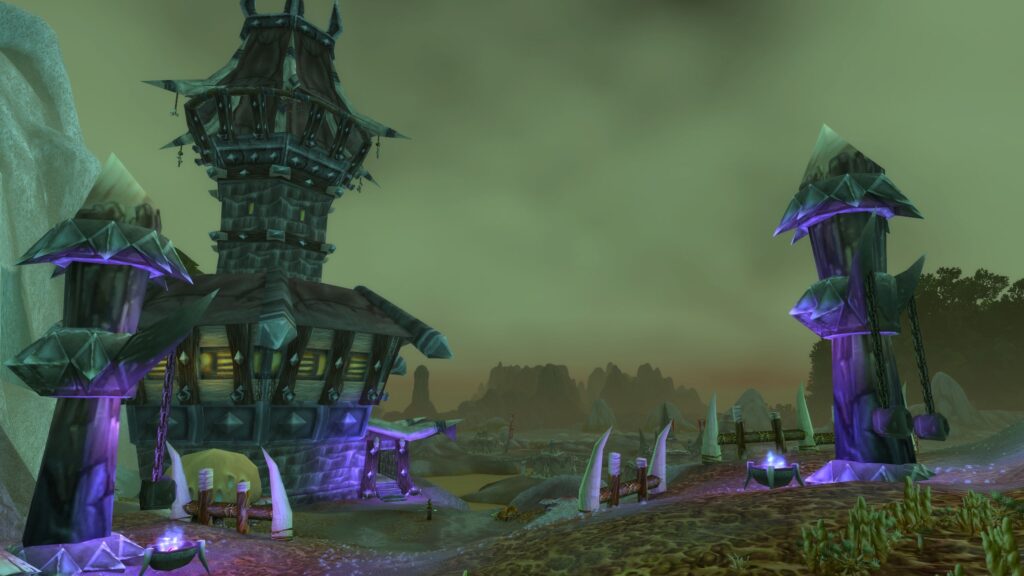
For adventurers seeking to make their mark, Silithus requires a strategy. The key to surviving here lies in understanding the terrain and the behavior of its inhabitants. Venturing into the forgotten sands without preparation is a fool’s errand. Group up with others, as there’s strength in numbers, especially when facing the zone’s notorious elite creatures.
Future expansions may breathe new life into these desolate grounds, but for now, Silithus remains a test of resilience and skill. Mastering its challenges not only provides a sense of achievement but also prepares players for the difficulties that lie ahead in other forgotten areas of Azeroth.
Badlands: Beyond Civilization
Beyond the bustling cities and verdant forests of Azeroth lies the Badlands, a harsh domain where civilization has scarcely left its mark. Unlike the snowy peaks of Dun Morogh or the icy expanses of the Borean Tundra, the Badlands present a stark, rugged terrain that’s a far cry from the haunting atmosphere of Deadwind Pass or the contested territories of Hillsbrad Foothills and Silverpine Forest. Here, the colorful landscape belies the importance of the challenges that await.
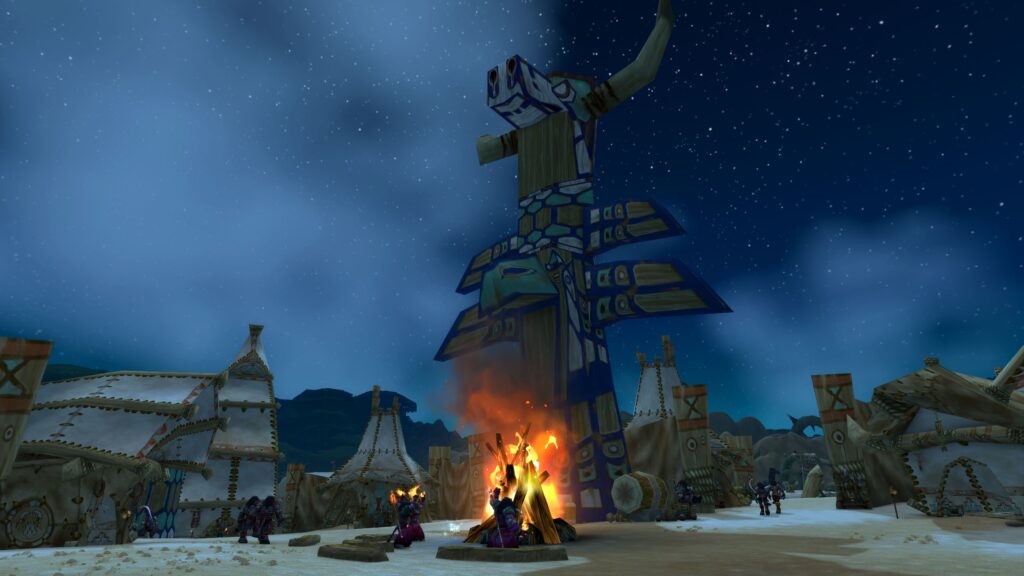
Venturing into the Badlands, you’ll quickly realize it’s not just about the battles against the environment. The area is teeming with unique battle pets, each requiring a specific strategy to capture or defeat. Leveraging your knowledge from more forgiving zones like Dun Morogh or the eerie paths of Silverpine Forest can be invaluable. Unlike the more predictable opponents in places like the Borean Tundra or the structured PvP encounters in Hillsbrad Foothills, the creatures here demand a nuanced approach.
Mastering the terrain and understanding the peculiarities of its inhabitants are essential. Just as you’d adapt your strategies in the shifting sands of Deadwind Pass, in the Badlands, flexibility and preparedness are your best allies. Whether you’re hunting for that elusive battle pet or simply exploring, remember that in the Badlands, beyond the edge of civilization, resilience is key.
Tanaris: The Endless Dunes
Shifting our focus from the rugged landscapes of the Badlands, you’ll find yourself amidst the endless dunes of Tanaris. This vast desert, sprawling at the southeastern corner of Kalimdor, is not just a test of your navigation skills but also your combat readiness. Here, you’ll encounter a mix of indigenous creatures and mechanical menaces, each requiring a unique approach to tackle.
Firstly, don’t underestimate the scorpids and basilisks; their venom and gaze can immobilize you if you’re not careful. Keeping antidotes handy and avoiding frontal assaults when possible can save you from a deadly paralysis. Additionally, the sandworms, lurking beneath the surface, can ambush the unwary. Listen for their rumbling to avoid being caught off-guard.
The pirates and bandits scattered across the zone are less predictable and require a more strategic approach. Utilizing crowd control abilities and focusing on taking them down one by one can prevent you from being overwhelmed. Remember, area of effect (AoE) spells are your friend when dealing with groups clustered together.
Lastly, the mechanical threats, primarily found near Gadgetzan and the Caverns of Time, demand awareness of their attack patterns. Interrupting their powerful abilities and keeping mobile to avoid area attacks will be key to your survival in these encounters.
Navigating Tanaris’s challenges requires patience and strategy, but with these tips, you’ll master this desert wasteland in no time.
Winterspring: The Frozen Expanse
In stark contrast to the scorching sands of Tanaris, Winterspring offers a frigid retreat, where icy landscapes and chilling winds await your arrival. This frostbitten zone, nestled in the northeastern reaches of Azeroth, is as beautiful as it is desolate. Here, you’ll find solitude amidst snow-covered trees and frozen lakes, a stark reminder of the diversity in World of Warcraft’s expansive world.
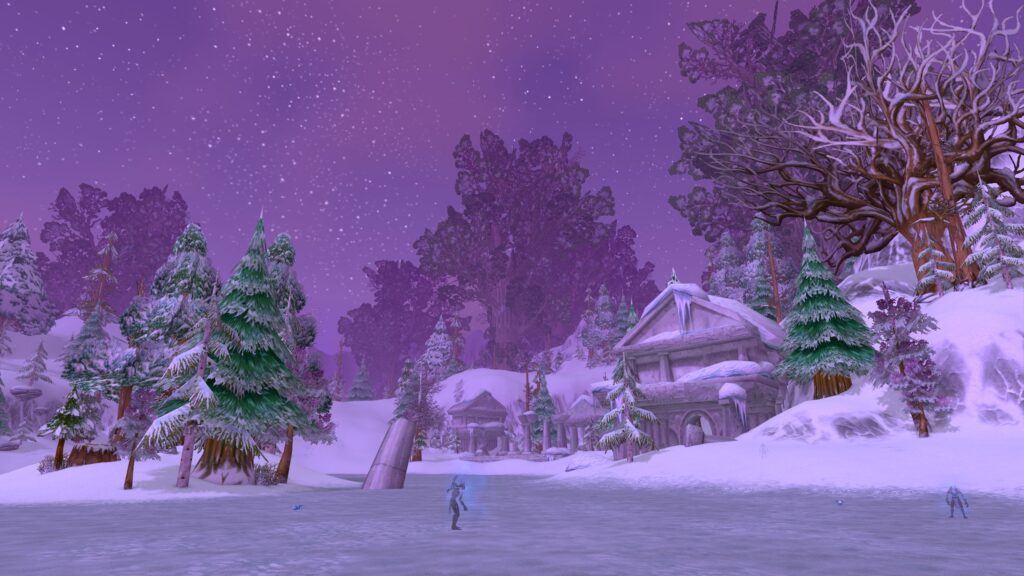
Navigating Winterspring requires a different set of strategies compared to the blistering dunes of Tanaris. To start with, equip yourself with gear that boosts your resistance to frost, as many of the local inhabitants and environmental hazards deal frost damage. Pets and minions that can withstand the cold will also give you an edge in combat against the zone’s frosty foes.
Questing in Winterspring can feel like a solitary endeavor, given its vast, empty expanses. However, it’s also home to some unique challenges and rewards. Focus on completing the chain quests that lead you deep into the heart of the zone, such as those involving the frostsaber trainers or the Winterfall furbolgs. These not only provide rich lore but also yield valuable rewards that are well worth the effort.
Frequently Asked Questions
How Have the Populations of NPCS and Creatures Evolved in These Barren Wastelands Since the Launch of World of Warcraft?
Since World of Warcraft’s launch, NPC and creature populations in these areas have dramatically changed. Imagine Silithus pre-and post-Ahn’Qiraj; it went from deserted to bustling, showcasing an evolution from barren to brimming with life.
What Are Some Hidden Quests or Easter Eggs Unique to These Deserted Zones That Most Players Might Not Be Aware Of?
You might’ve missed some hidden quests or easter eggs tucked away in these lesser-visited areas. They’re unique surprises that most players overlook, offering a fresh twist to your adventure in the game.
How Do the Environmental Themes of These Wastelands Influence the Lore and Overarching Narrative of Azeroth in World of Warcraft?
You’re exploring how wastelands’ themes impact Azeroth’s lore and story in World of Warcraft. These desolate zones mirror conflicts and history, shaping the narrative and giving depth to the world’s ongoing saga.
Can Players Find Unique Resources or Crafting Materials Exclusive to Desolace, Silithus, Badlands, Tanaris, and Winterspring, and How Do They Impact the In-Game Economy?
You’ll find unique resources and crafting materials in Desolace, Silithus, Badlands, Tanaris, and Winterspring. They greatly impact WoW’s in-game economy, making your exploration efforts both rewarding and influential on market dynamics.
What Role Have These Deserted Zones Played in World of Warcraft’s Seasonal Events or Special World Events Throughout the Game’s History?
These zones’ve hosted less than 5% of WoW’s seasonal events, highlighting their underuse. You’ll find they’ve occasionally been spotlighted for unique holiday quests, offering a fresh backdrop for adventurers seeking new experiences during these festivities.
Venture into the mystical realms of Azeroth on my captivating World of Warcraft blog. Join the adventure!