
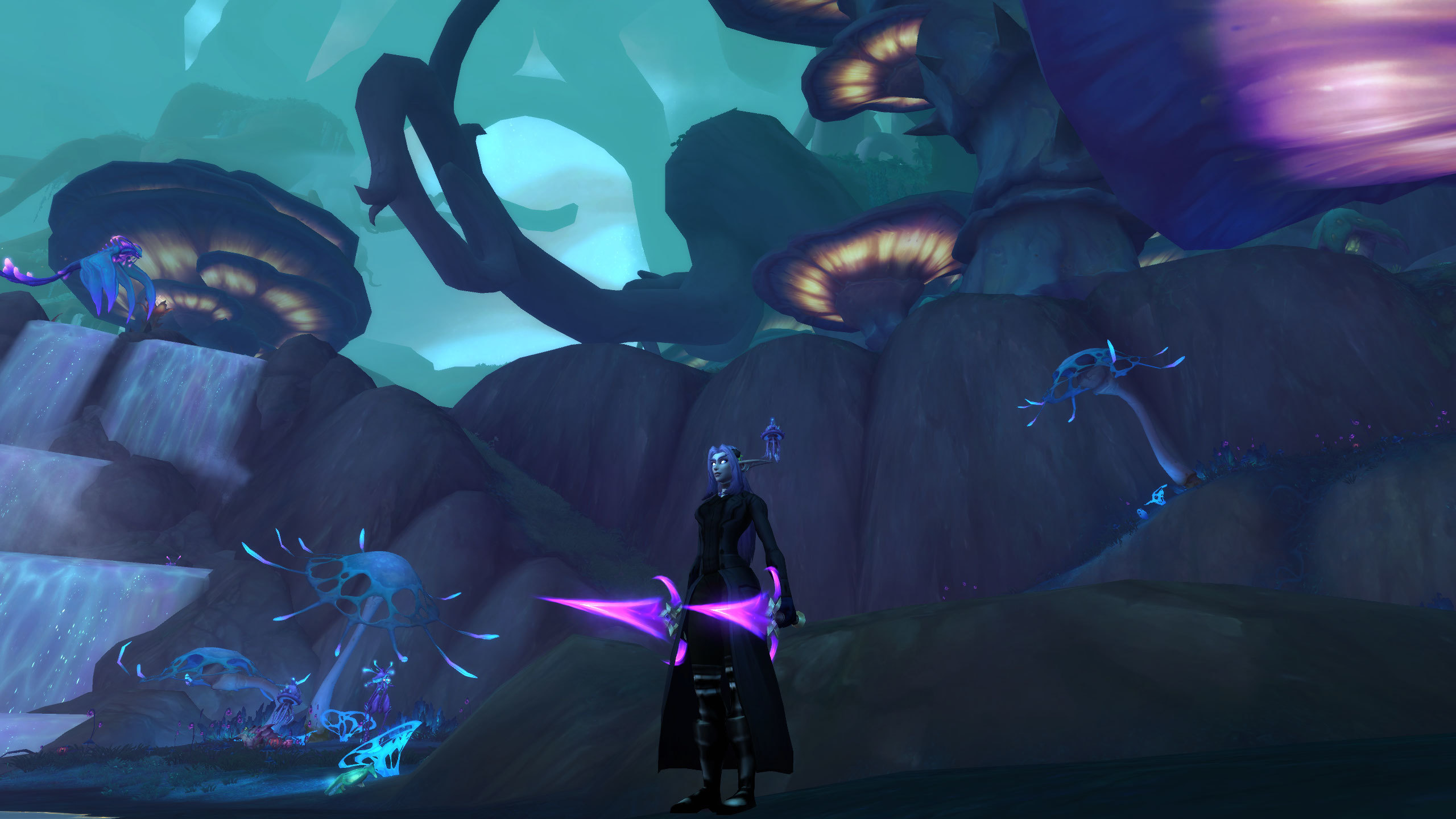



World of Warcraft frequently crafts massive, world-spanning narratives that feature gods and cosmic threats. Yet, many players find themselves more deeply invested in a short, localized quest chain about a lost heirloom or a lonely goblin. These side stories often succeed precisely because they lack the pressure of the main campaign. This guide explores the “small-scale advantage” in quest design, explaining why intimate, personal tales often resonate more strongly than the high-stakes drama of the main expansion plot.
The Advantage of Low Stakes
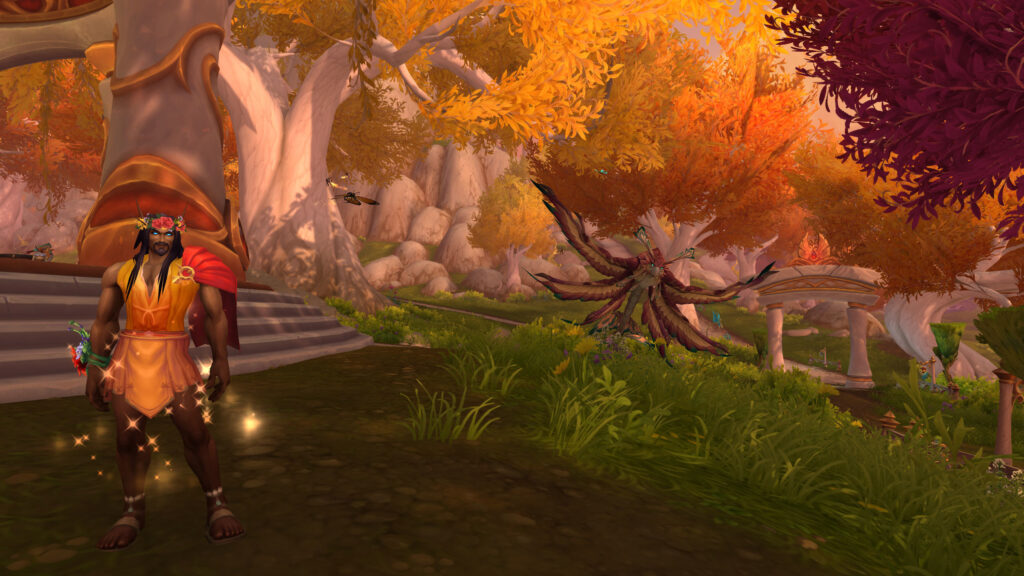
Main storylines in WoW are often constrained by the necessity of moving the expansion’s plot forward. They must introduce the villain, explain the mechanics, and set the stage for the final raid. This can leave little room for nuance or character exploration. Side quests, however, are liberated from this burden. They can be quirky, melancholic, or absurd without needing to fit into the grand cosmic struggle. This freedom allows writers to experiment with tone and focus on individual character arcs that feel complete, satisfying, and refreshingly human.
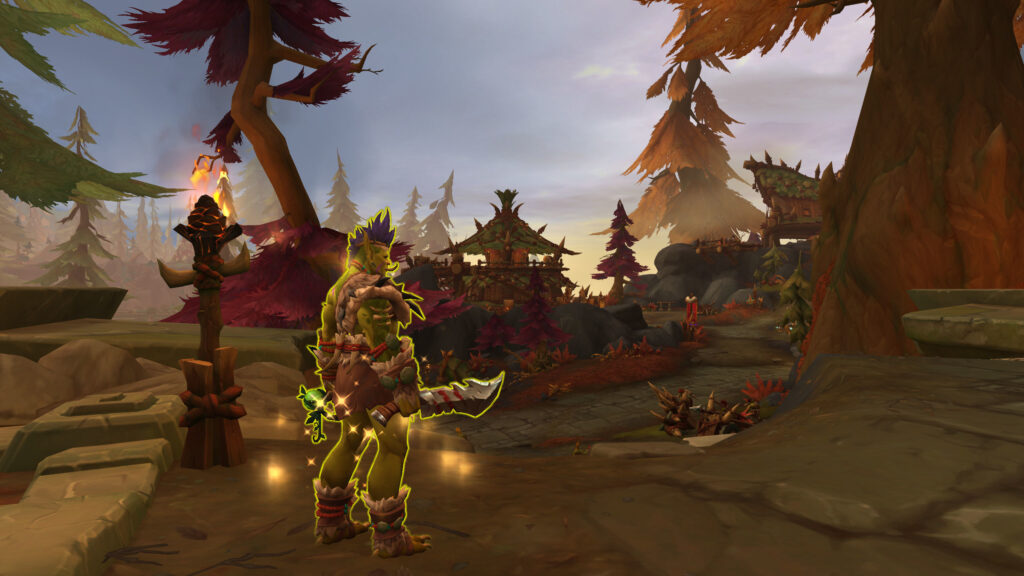
In a main quest, you are a hero saving the world; in a side quest, you are a neighbor helping a friend. This change in role fosters a different kind of connection. When you help a farmer find his missing mule, the gratitude feels personal and earned. These quests ground the player in the world, reminding them that Azeroth is populated by individuals with daily struggles. The lack of a “save the world” requirement makes these moments feel like a genuine part of life in the game, providing a necessary counter-balance to the exhausting intensity of the primary campaign.
Why Minor Quests Resonate
| Design Factor | Player Connection |
|---|---|
| Personal Stakes | Focuses on individual lives, not armies. |
| Experimental Tone | Allows for comedy, horror, and tragedy. |
| Low Pacing Pressure | Provides room for narrative breathing. |
| Unpredictable Outcomes | Often breaks away from standard tropes. |
The Humanizing Element
These stories succeed because they embrace the absurdity and the mundanity of life in a fantasy world. A quest about a goblin attempting to start a dubious business venture or a ghost waiting for a lover who never arrives says more about the “soul” of the game than a hundred cinematic battle scenes. By dedicating time to these peripheral stories, the game creates a sense of depth that makes the world feel truly alive, proving that the best stories are often the ones we stumble upon by accident.
The Legacy of Discovery
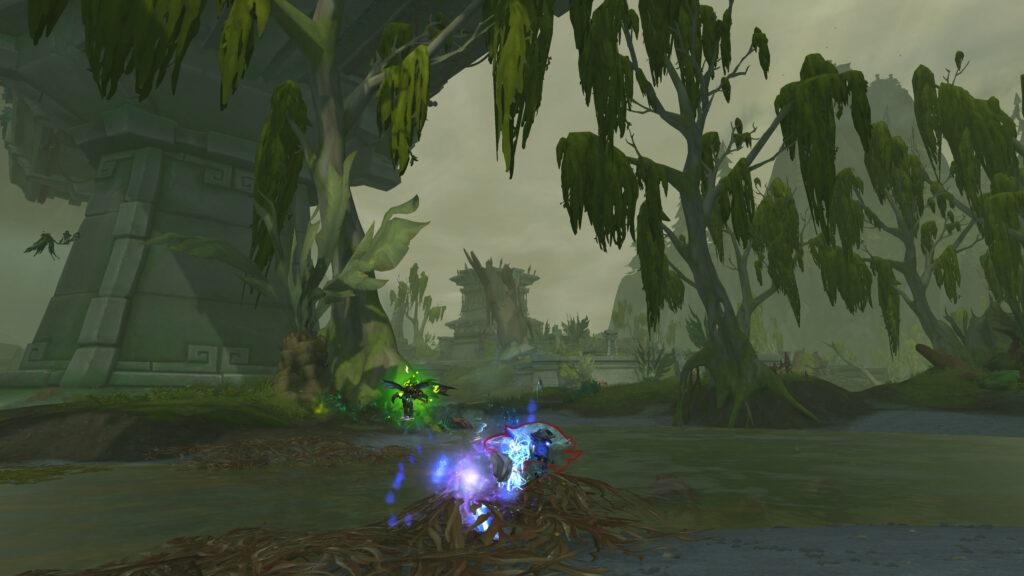
Players often carry memories of these side quests for years. They are the stories shared in guild chat and the quests that people recommend to friends leveling for the first time. By focusing on the “small stuff,” World of Warcraft ensures that its world is layered and rich, capable of supporting thousands of unique narrative threads that exist in parallel to the main conflict. This variety is what makes the game’s world-building feel so robust and complete.