




Introduction: A Journey Through WoW’s Evolution
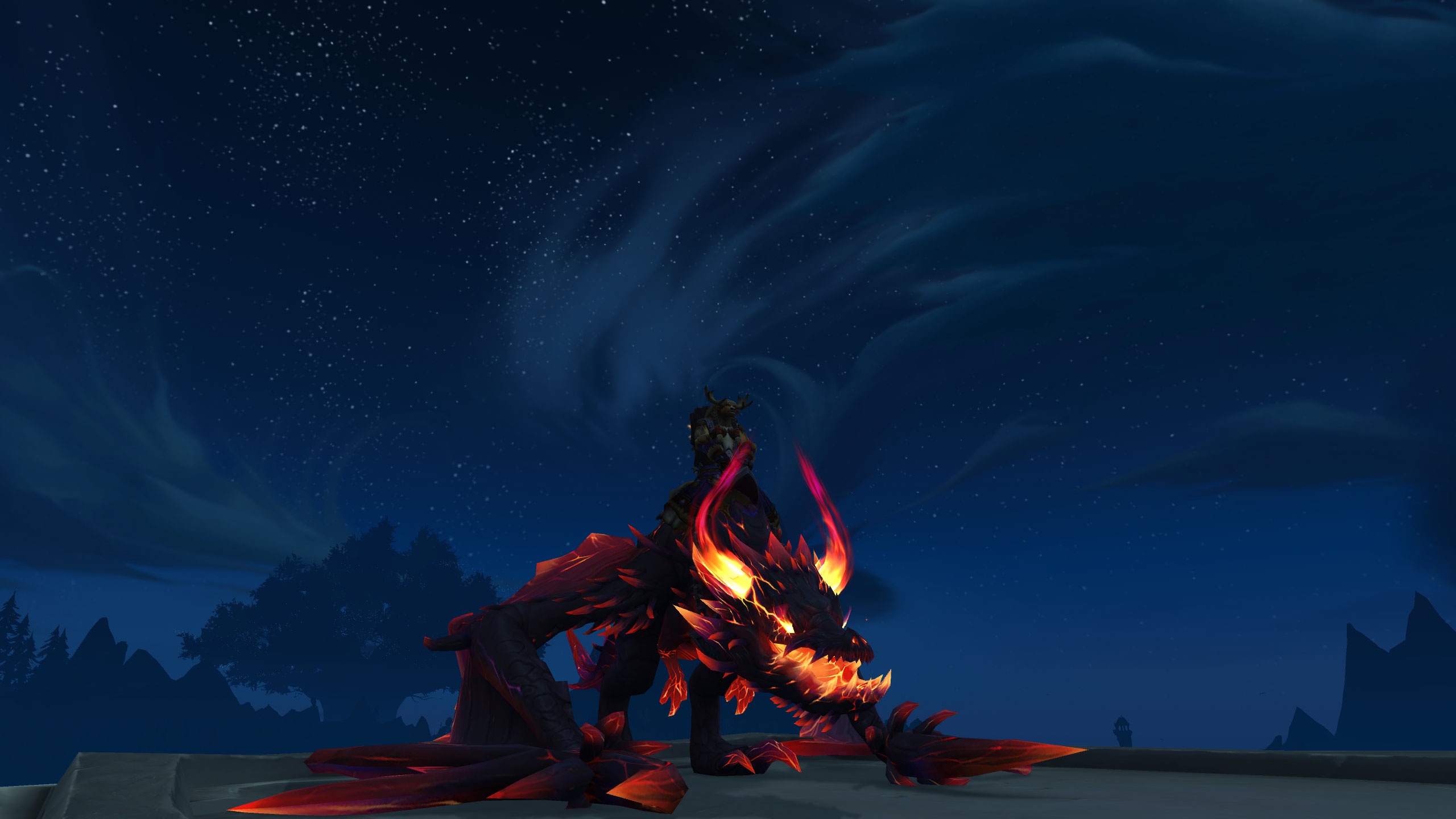
Since its launch in 2004, *World of Warcraft* has evolved in numerous ways. What started as a game with relatively simple mechanics and systems has become a complex and ever-expanding universe with cutting-edge graphics, in-depth gameplay systems, and an evolving world. From the original *Classic* release to the latest expansion, *Dragonflight*, the game has undergone significant transformations that have shaped how players experience Azeroth. In this article, we’ll take a look at some of the most major changes WoW has seen over the years, focusing on the evolution of gameplay systems, content, and world-building.
The Classic Era: A Simple, Groundbreaking Experience
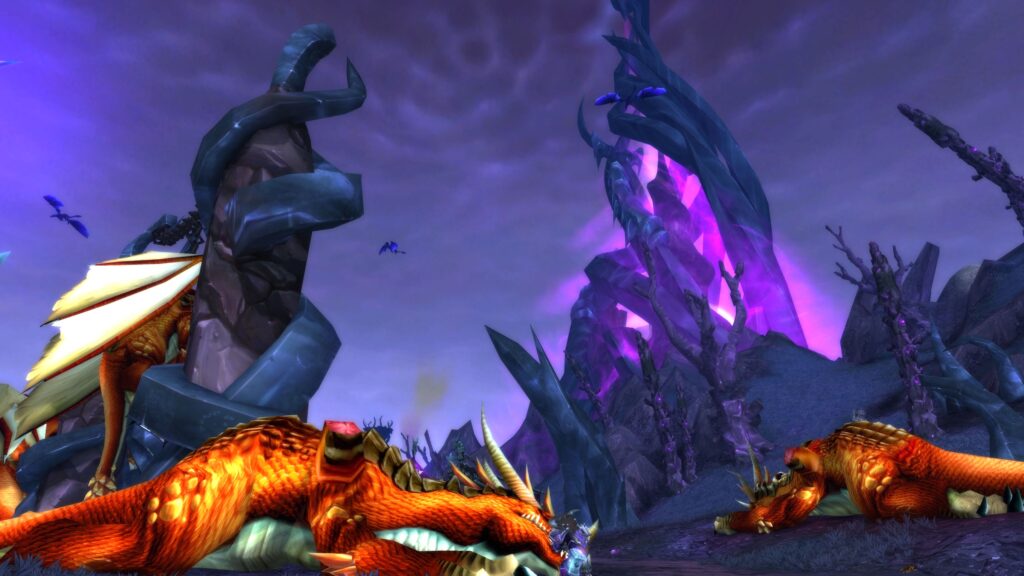
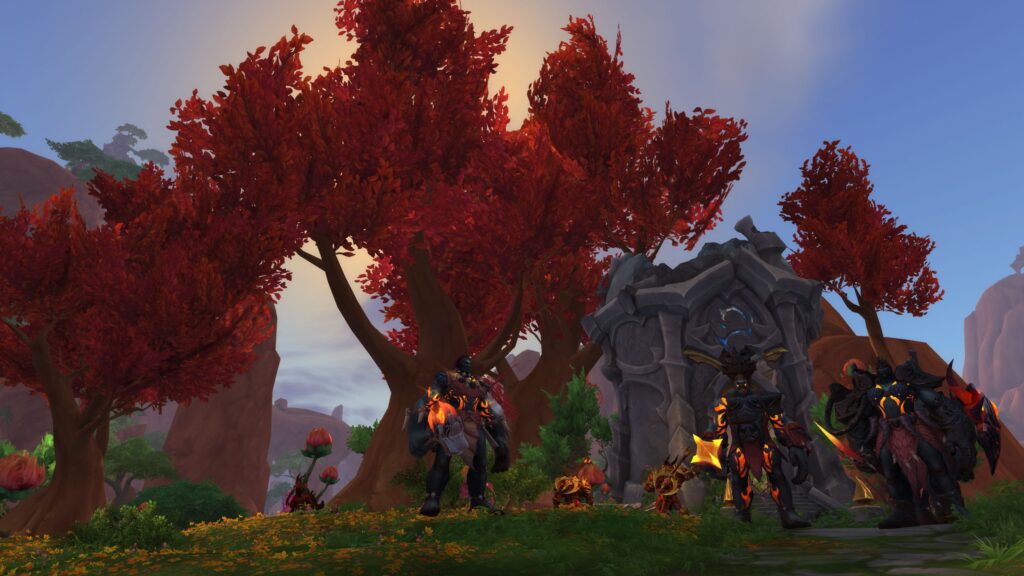
When *World of Warcraft* first launched in 2004, it introduced players to a massive, persistent online world that was unlike anything seen before. The game was simple by today’s standards, but it had a charm that kept players hooked for years. The leveling experience was slow, and dungeons required significant coordination, but these challenges made the game feel rewarding and immersive.
Key Features of Classic WoW
- Grindy Leveling – Leveling in Classic WoW was a slow and arduous process, requiring players to grind for experience, complete long quest chains, and explore massive zones. While it was time-consuming, the journey to max level created a sense of accomplishment.
- Simple Class Systems – Each class had a simple and straightforward set of abilities. Players could focus on their chosen role (damage, healing, or tanking) without worrying too much about rotations and complex mechanics.
- Social Interaction – WoW in its early days was a highly social game. Grouping for dungeons was necessary, and player communication was vital for success, making the experience more communal and immersive.
The Burning Crusade to Cataclysm: Expansion Era Innovations
The first expansions of WoW brought some of the most significant changes to the game. *The Burning Crusade* introduced the first new continent, Outland, and the addition of new playable races like the Blood Elves and Draenei. *Wrath of the Lich King* continued this trend, adding the Death Knight class and the continent of Northrend. *Cataclysm* introduced massive changes to the world itself, remaking classic zones and reshaping Azeroth forever.
What Changed in the Expansion Era
- New Content – Each expansion brought new lands to explore, more quests, new dungeons and raids, and a variety of new features, such as new classes and races. This helped keep the game fresh and exciting for players.
- Class Specializations – As the game progressed, classes received more complex specializations, offering players a deeper and more customized experience. This allowed players to specialize in different types of gameplay, such as healing, damage, or tanking.
- Storytelling – The expansions introduced more narrative depth to the game, with players becoming more deeply involved in the lore of Azeroth and fighting iconic villains like the Lich King and Deathwing.
Modern WoW: Shadowlands to Dragonflight
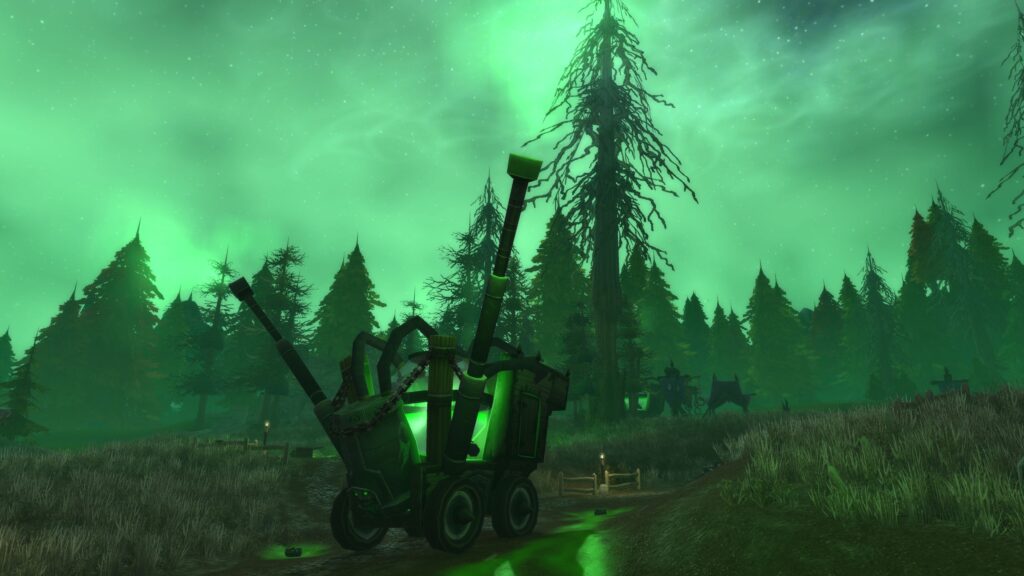
In recent years, WoW has seen major changes to its gameplay systems, with the introduction of *Shadowlands* and *Dragonflight*. These expansions have focused on further refining the leveling experience, adding new mechanics, and improving the overall flow of content.
Recent Changes in WoW
- Leveling Streamlining – With *Shadowlands*, the leveling process was significantly streamlined, allowing players to level up faster and experience more content without feeling bogged down by unnecessary grind. The introduction of “Chromie Time” allowed players to level through different expansions in any order.
- Class Customization and Talent Revamp – *Dragonflight* continued the trend of class customization, with new talent trees that gave players more control over their abilities and playstyles. This increased variety allows for deeper character customization and more flexibility in gameplay.
- The Dragon Isles and New Races – *Dragonflight* introduced the Dragon Isles as a new continent, along with the playable Dracthyr race. This expansion took the game in a new direction, blending dragon lore with new systems, such as dragonriding and more dynamic questing zones.
Conclusion: WoW’s Constant Evolution
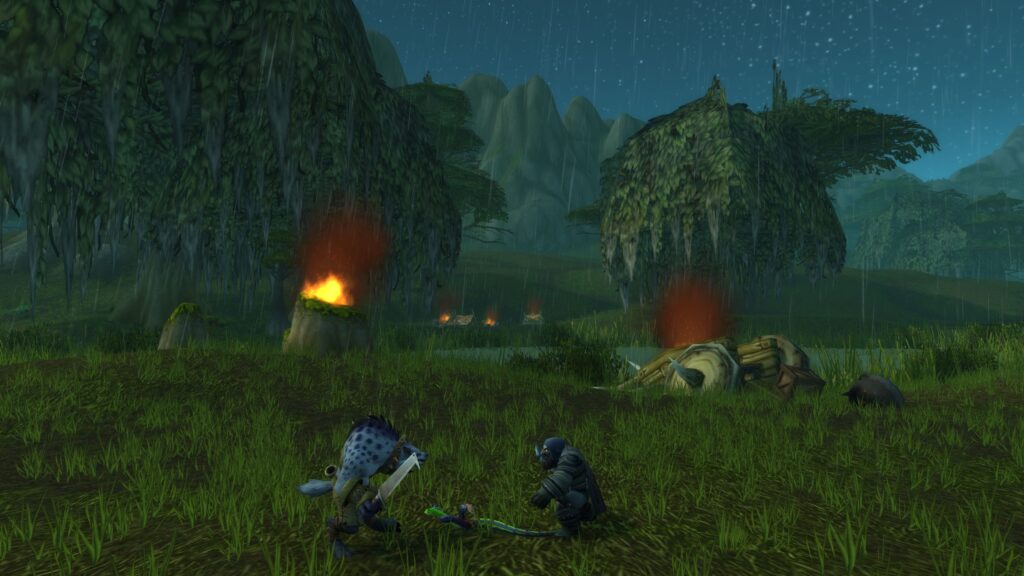
From its humble beginnings in *Classic* to the modern innovations introduced in *Dragonflight*, World of Warcraft has undergone countless changes that have shaped the game into what it is today. While the core gameplay remains familiar, the game has continually evolved to meet the demands of its ever-growing community. With each expansion, WoW has introduced new content, systems, and features, keeping it fresh and engaging for new players and veterans alike. As we look to the future, it’s clear that WoW will continue to evolve, bringing exciting new changes to the world of Azeroth.
Home